Prototype to Production
One controlled path from first part to repeat supply.
Connect DFM review, machining, secondary operations, inspection and delivery in one documented workflow built around the released drawing.
A coordinated route reduces handoffs between machining, finishing, inspection, packing and repeat-order control.
The Program Path
Six stages. One released technical baseline.
Review
Files, material, quantity, tolerances, finish and target date.
Plan
Manufacturing route, setups, risks and control points.
Prototype
Produce first parts for fit, function and design validation.
Refine
Capture approved revisions and production feedback.
Repeat
Use a stable route for low-volume and repeat batches.
Deliver
Inspection records, protective packing and shipment.
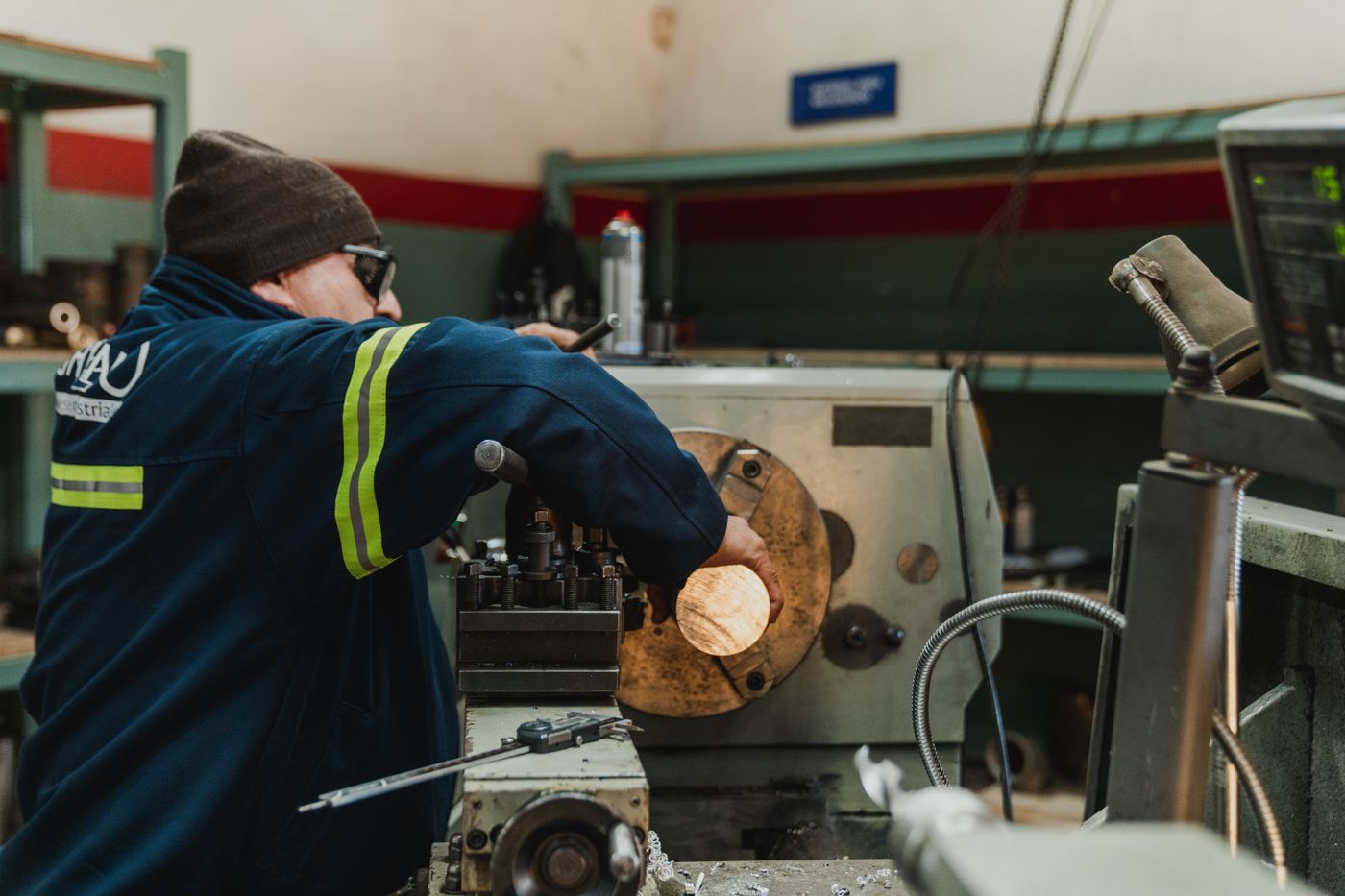
Bridge the Transition
Keep learning from the prototype inside the production route.
Control revisions
Separate prototype iterations from the final released production files.
Stabilize setups
Turn validated manufacturing decisions into a repeatable sequence.
Carry quality requirements
Keep critical features and agreed records visible as quantities grow.
Protect supply continuity
Maintain revision history and order knowledge for future batches.
Coordinated Scope
More than machining operations.
Availability is confirmed against the drawing and agreed order requirements.
DFM & route planning
Questions around access, tolerances, rigidity and process sequence.
Secondary operations
Deburring, finishing, marking and assembly preparation.
Inspection & records
Agreed dimensional reporting and material documents.
Packing & delivery
Part protection, labeling and international delivery support.
Across the Program
The same requirements move with the part.
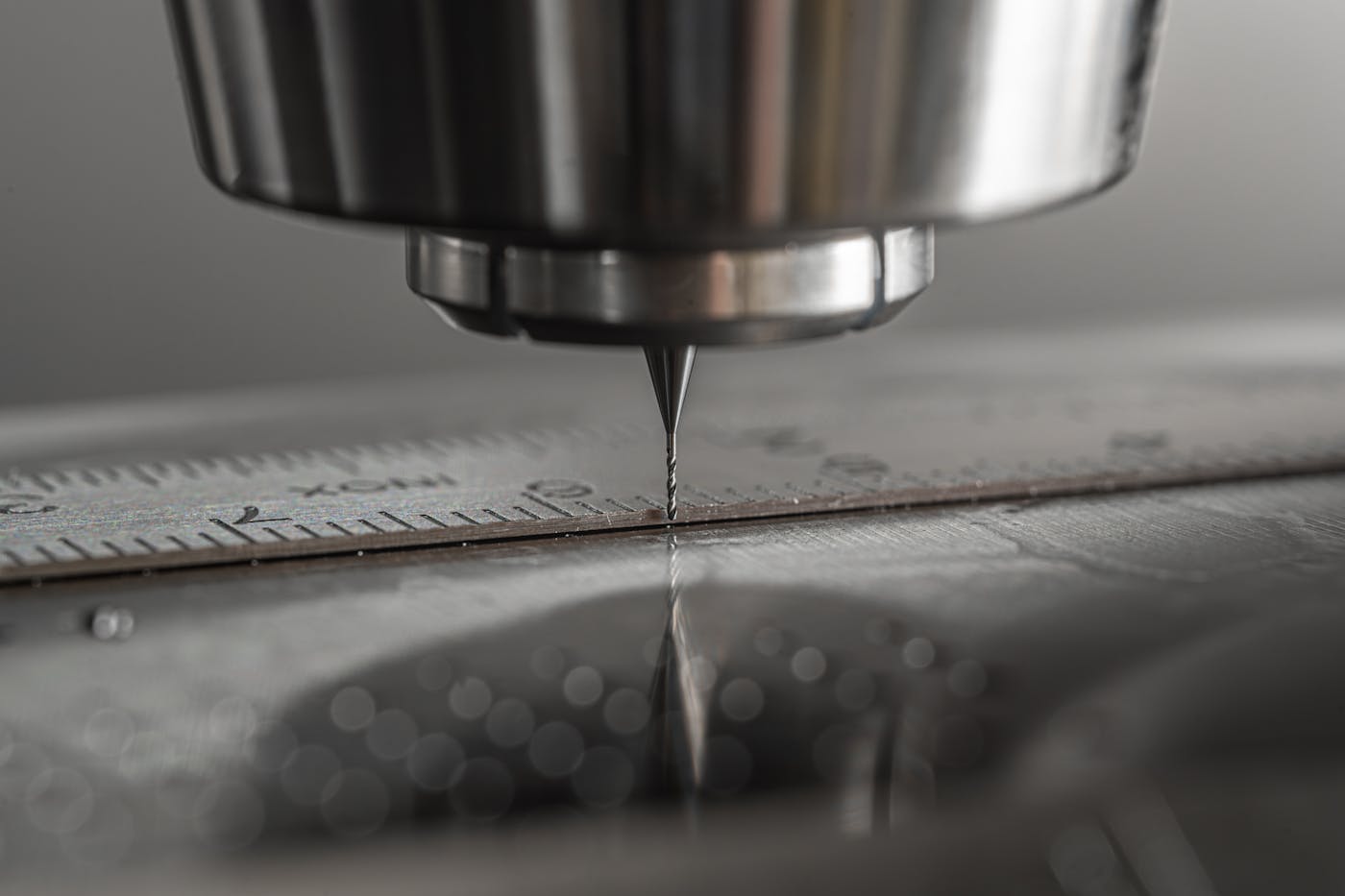 MACHINING & IN-PROCESS CONTROL
 INSPECTION & RELEASE
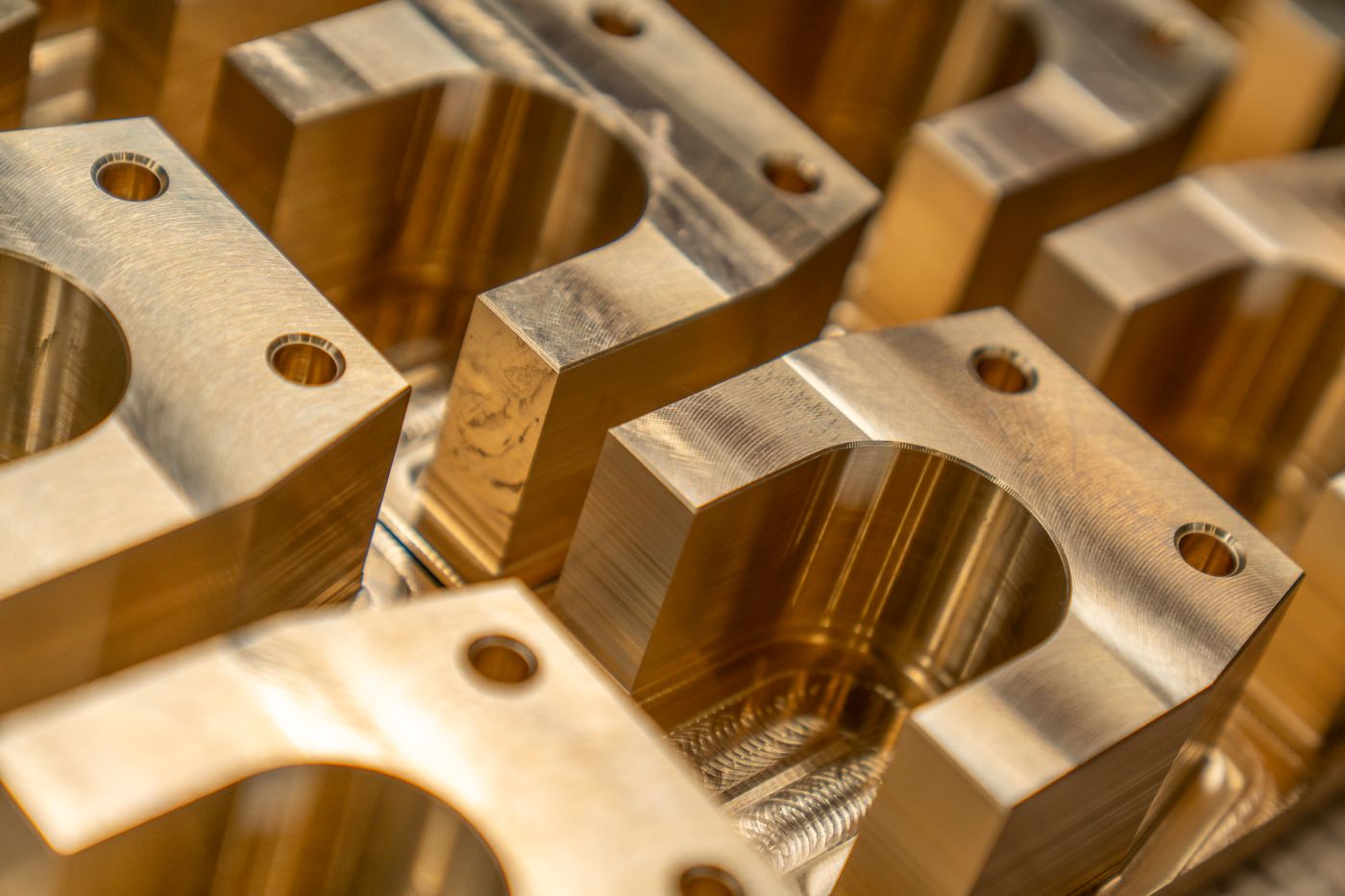 FINISHED PARTS & REPEAT SUPPLY
Build Your Part Program
Start with the current drawing and the next order stage.
Tell us whether the project is at prototype, validation or repeat-production stage, then include material, quantity, finish and control requirements.