CNC Machining Services
Choose the process around the part—not the other way around.
Xunke CNC combines milling, turning, multi-axis machining and coordinated secondary operations for custom metal and plastic components. The manufacturing route starts with your drawing, material, quantity and inspection priorities.
Core Processes
Four routes for different geometries and order stages.
Final feasibility, tolerances and inspection methods are confirmed against the released drawing.
 PROCESS / 01
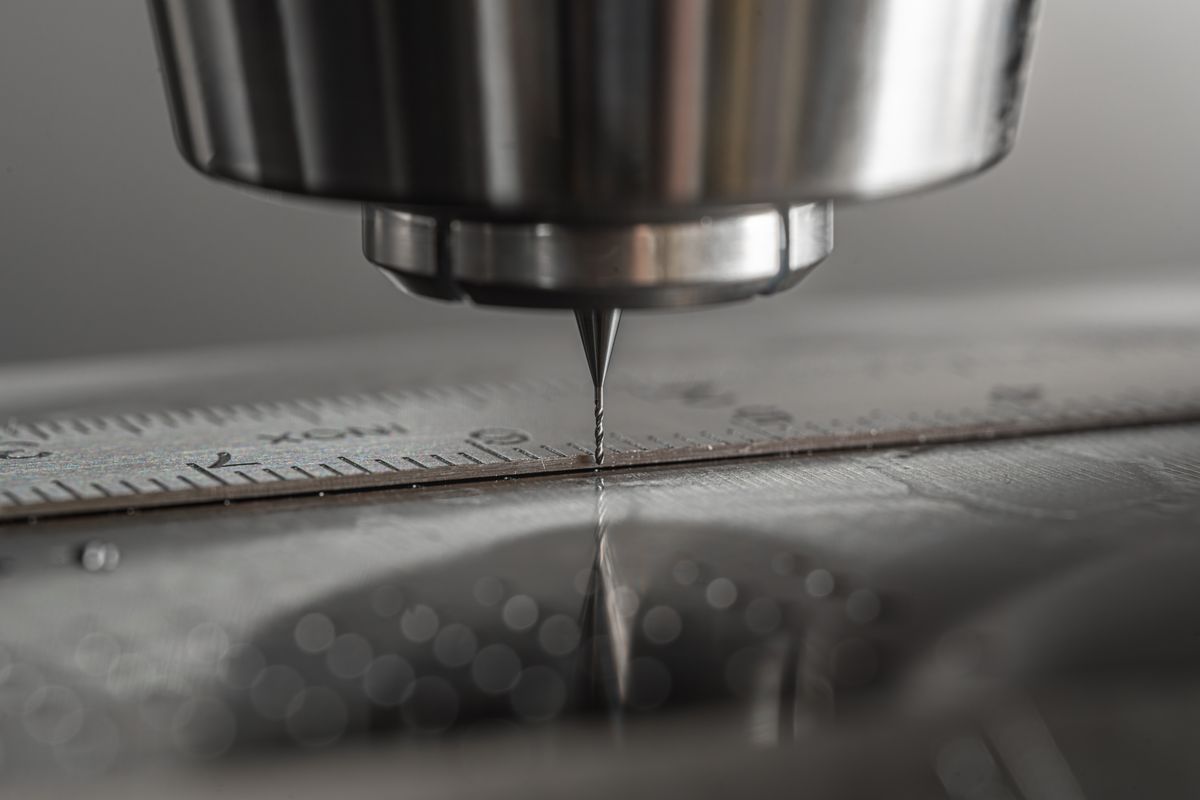
CNC Milling
For housings, brackets, plates and prismatic components with pockets, faces, holes and controlled datum relationships.
 PROCESS / 02
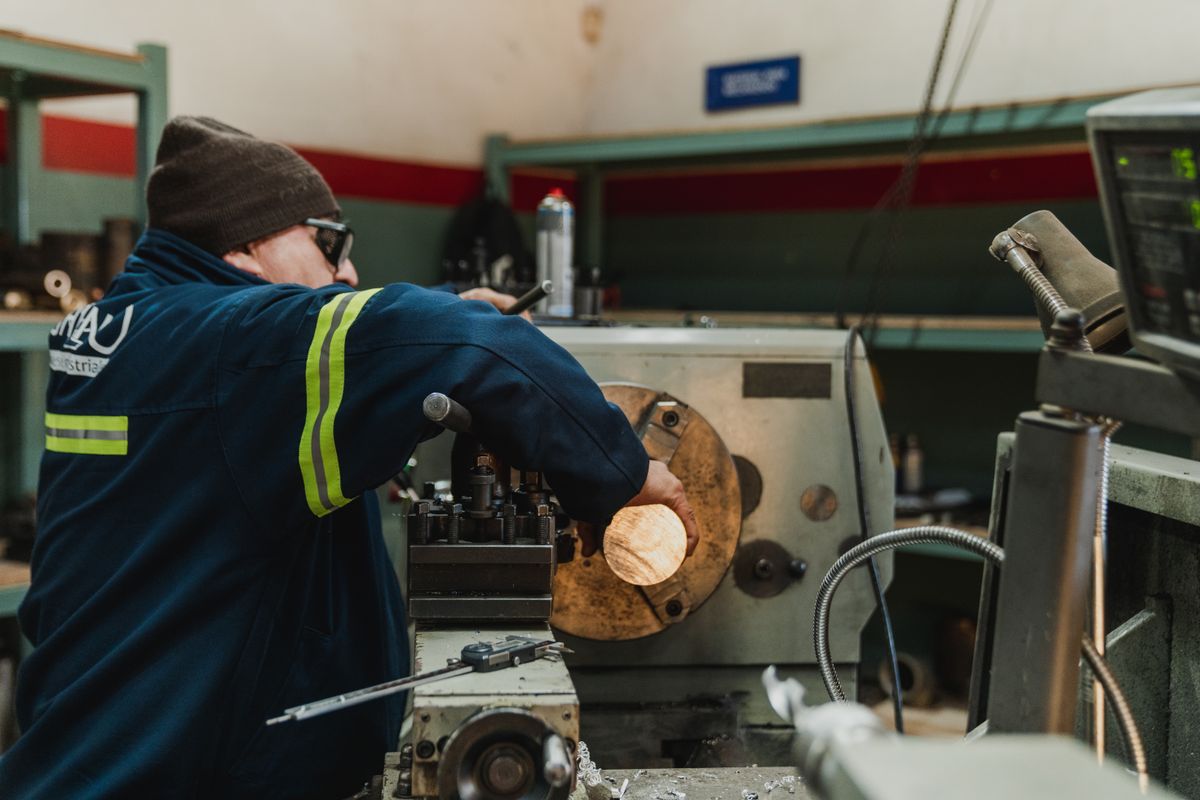
CNC Turning
For shafts, bushings, pins, sleeves and threaded components, with secondary milling considered when the part requires it.
 PROCESS / 03
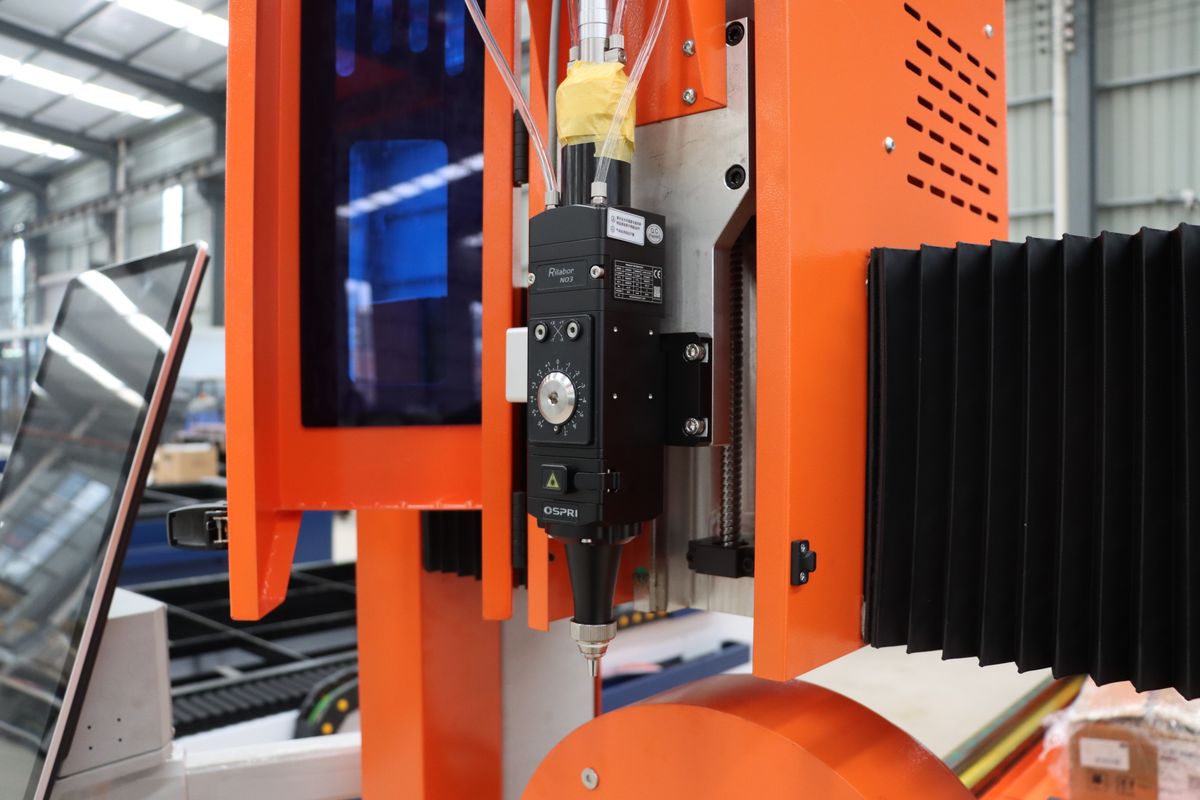
Multi-axis Machining
For angled features, contoured surfaces and complex components where fewer setups can protect relationships between critical features.
 PROCESS / 04
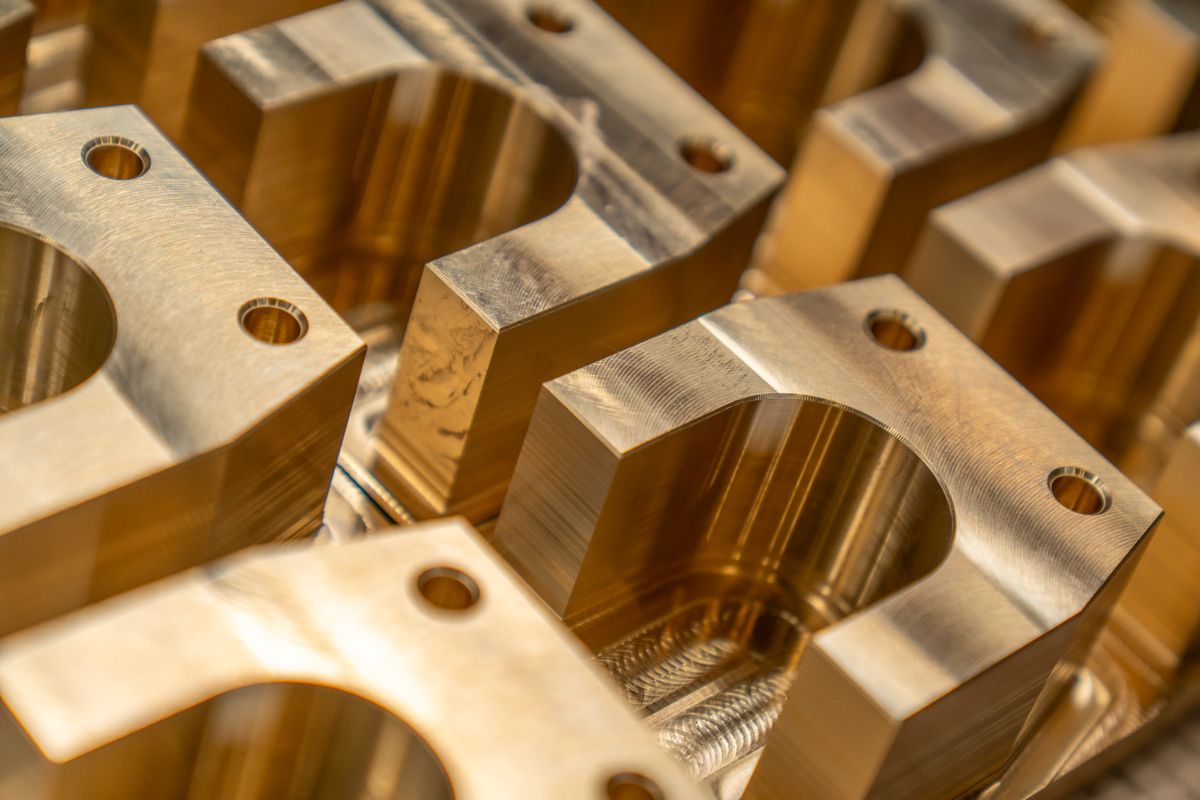
Prototype & Production
A controlled path from design validation and pilot builds to scheduled repeat orders using the confirmed drawing revision.
Material Families
Material selection stays tied to function and finish.
Confirm the exact grade, temper or condition on the drawing. Availability and suitability are reviewed during quotation.
Aluminum
Common for lightweight housings, brackets, plates, heat-management parts and finished visible components.
Stainless Steel
Used when corrosion resistance, strength, wear behavior or a clean finished surface matters.
Carbon & Alloy Steel
Suitable for structural, wear-related and industrial components where strength and follow-on treatment drive the plan.
Brass & Copper
Considered for conductive parts, fittings, inserts and components with specific appearance or thermal needs.
Engineering Plastics
Used for insulators, guides, wear components, covers and lightweight functional prototypes.
Buyer-specified Grades
Share the complete material callout and required documentation so sourcing and machining can be reviewed together.
Secondary Operations
Coordinate the work that makes a part assembly-ready.
Specify cosmetic zones, protected surfaces, post-finish dimensions and documentation needs before quotation.
Deburring & edge control
Define handling, assembly and functional edges that need particular attention.
Surface finishing
Coordinate specified treatments while protecting critical features and interfaces.
Marking & identification
Part numbers, revision marks and agreed identifiers can be included in the order scope.
Inspection & documents
Agree critical dimensions, reporting and material documentation before production.
Process Selection
Four inputs shape a useful machining plan.
Geometry
Identify access limits, deep features, thin walls, datum relationships and setup-sensitive details.
Material
Confirm grade, condition and any documentation that must travel with the order.
Requirements
Mark critical tolerances, surface finish, cosmetic zones and inspection priorities.
Order stage
Share prototype quantity, repeat demand and target date so the route fits the program.
Request A Process Review
Send the drawing. We will review the practical manufacturing route.
Include the 3D file, dimensioned drawing, material, quantity, finish, critical tolerances and target date. We will return the questions needed to prepare a useful quotation.