Machining Solutions
Start with how the part has to work.
Different applications place different demands on geometry, materials, interfaces, appearance and documentation. We build the manufacturing plan around those priorities.
Part function and assembly context help determine the practical machining route, inspection scope and delivery controls.
Solutions by Application
Five sourcing needs. Five different control priorities.
Final feasibility and process selection are confirmed against the released drawing.
 SOL / 01
NEED / PRECISE MOTION & ASSEMBLY ALIGNMENT
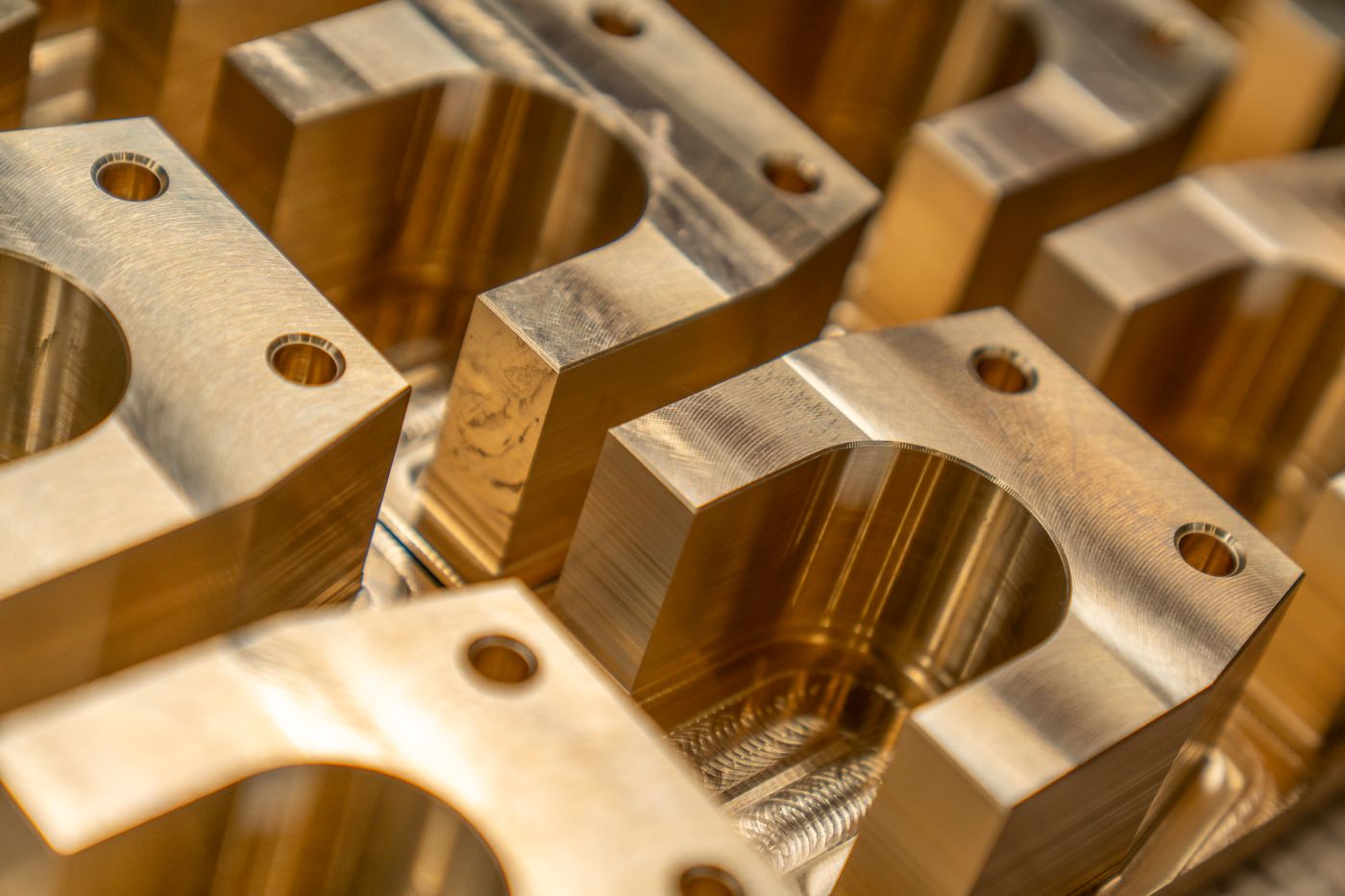
Robotics & automation
Mounts, end-effectors, actuator parts and frames where datum relationships, threaded interfaces and weight affect the complete system.
 SOL / 02
NEED / LIGHTWEIGHT GEOMETRY & REVISION CONTROL
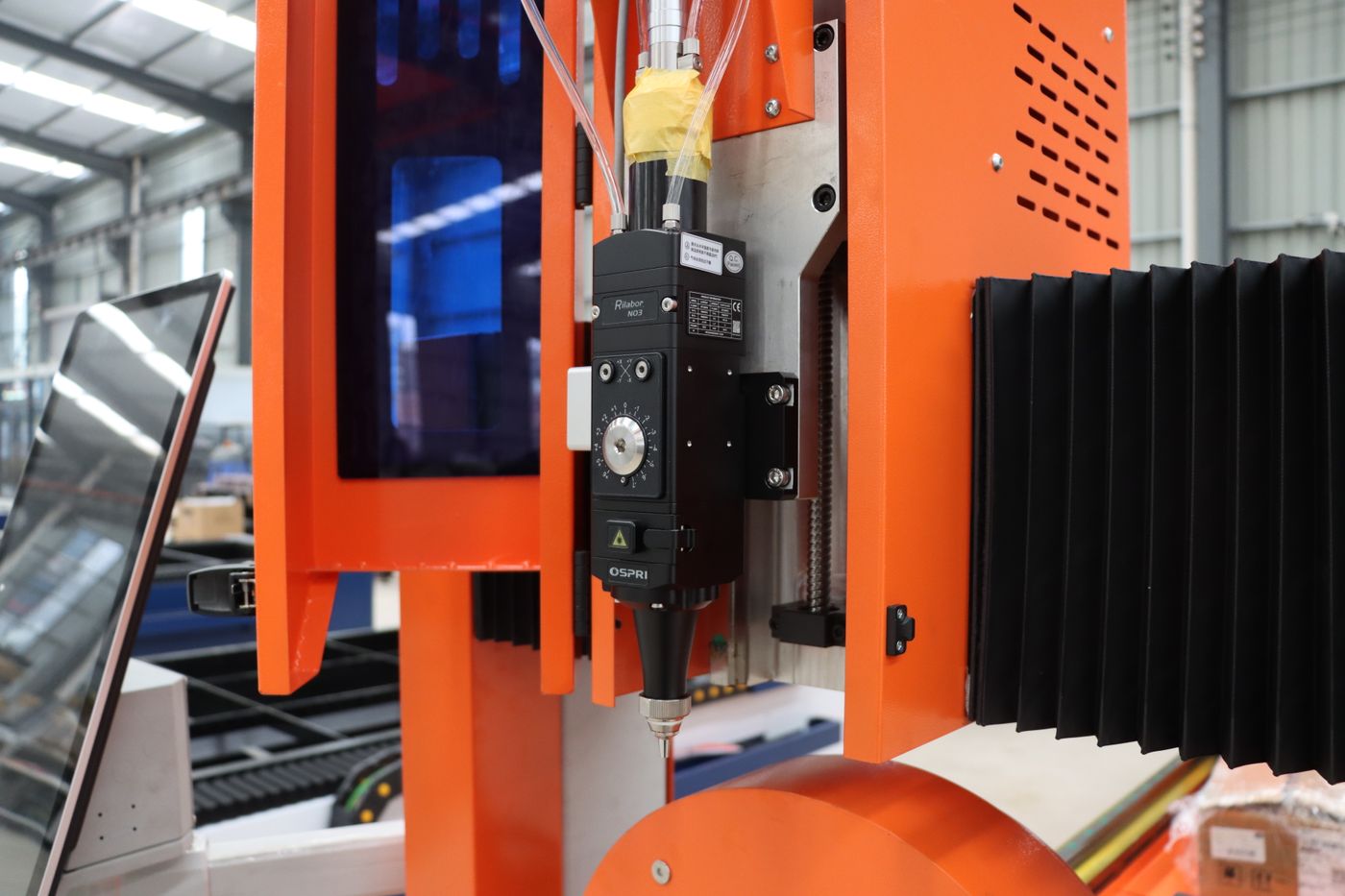
Aerospace development
Prototype brackets, fixtures and development hardware where thin walls, access and inspection priorities must be reviewed early.
 SOL / 03
NEED / PRECISE FIT & CONTROLLED SURFACES
Medical & laboratory equipment
Non-implant instrument housings, optical mounts and laboratory fixtures that combine fine features, burr control and visible surfaces.
 SOL / 04
NEED / FAST ITERATION TO REPEATABLE BATCHES
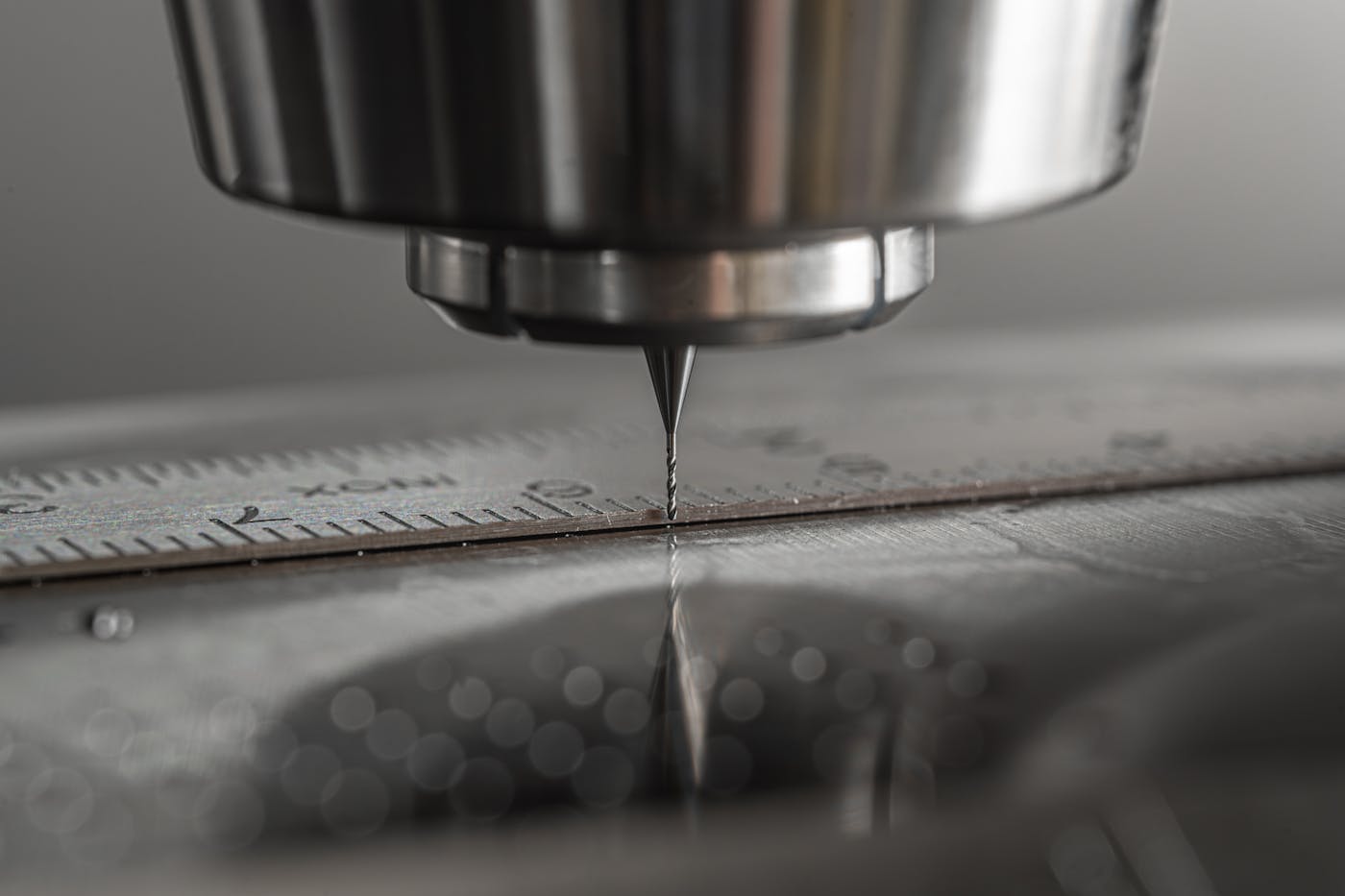
Automotive & mobility
Prototype housings, thermal brackets and fixtures that must support design changes before moving into controlled low-volume production.
 SOL / 05
NEED / DEPENDABLE FIT & SUPPLY CONTINUITY
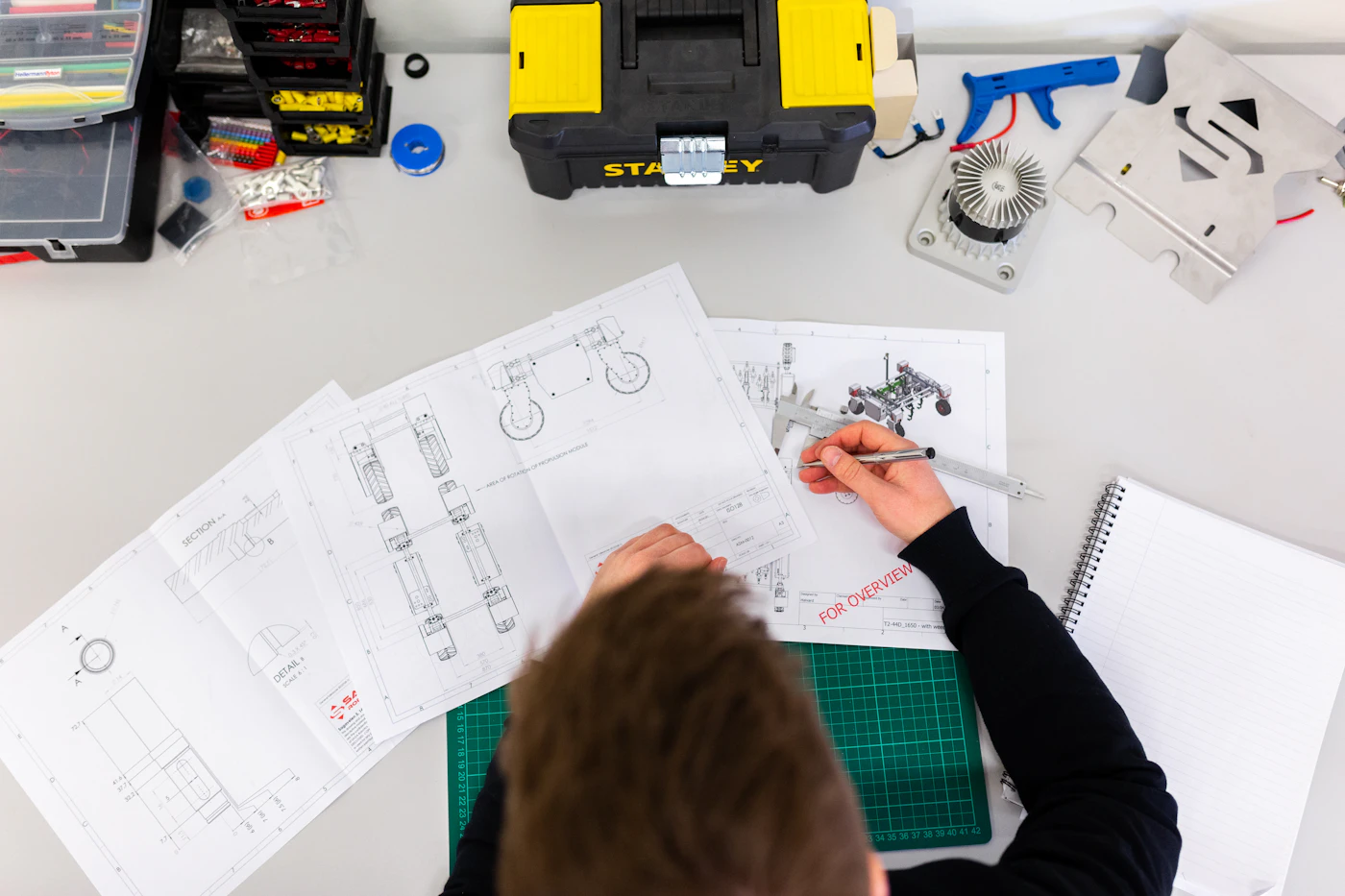
Industrial equipment
Machine components, replacement parts and production tooling where practical lead time, mating features and future repeat supply matter.
Shared Priorities
The application changes. The planning questions remain visible.
Critical interfaces
Identify datums, fits and features that control assembly or motion.
Grade and condition
Confirm the complete material callout and required evidence.
Functional and visible surfaces
Separate cosmetic zones from post-finish control dimensions.
Inspection evidence
Agree recorded results, packing and order documentation before production.
Build the Route
Translate application context into manufacturing decisions.
Explain the part function
Show where it fits, what it connects to and which interfaces matter.
Mark the control points
Identify critical tolerances, finish, cosmetic zones and inspection priorities.
Confirm order stage
State prototype or batch quantity and expected repeat demand.
Align the release scope
Confirm inspection records, packing, labeling and target date.
Discuss Your Application
Send the drawing and show us where the part fits.
Include material, quantity, finish, critical tolerances, inspection needs and target date. We will review the manufacturing questions behind the application.